
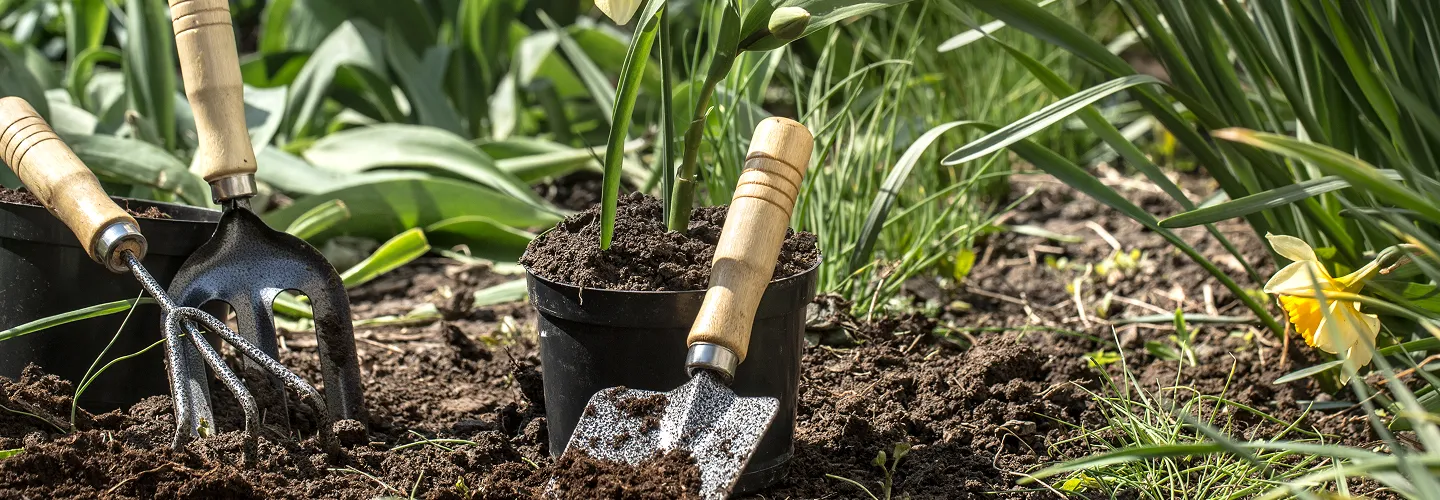
Loganville Lawn Leveling Services
Choose our professional lawn leveling services for a safer, more beautiful yard—our experienced team uses top-quality materials and proven techniques to ensure lasting results and a flawless finish.
Get a Free QuoteOur Loganville Landscaping & Yard Care Services
When to Schedule Lawn Leveling in Loganville, Georgia – Seasonal Guide
In Loganville, Georgia, the best time to schedule lawn leveling is typically during late spring or early fall. These seasons offer moderate temperatures and consistent rainfall, which help newly leveled lawns recover quickly and establish healthy growth. Loganville’s climate, characterized by humid summers and mild winters, means that soil conditions can vary significantly throughout the year. For example, neighborhoods near Bay Creek Park or along Tom Brewer Road may experience different shade patterns and soil moisture levels compared to more open areas, impacting the ideal timing for lawn care services.
Local environmental factors such as the last frost date (usually in early April), summer drought risk, and the prevalence of clay-heavy soils all play a role in determining when to level your lawn. Homeowners should also consider municipal guidelines and water usage restrictions, which can affect when and how lawn maintenance is performed. For more information on local regulations, visit the Sudbury municipal site.
Local Factors to Consider for Lawn Leveling in Loganville
- Tree density and shade coverage, especially in established neighborhoods like Grayson Manor
- Soil type, with many areas featuring compacted clay that benefits from spring aeration
- Recent precipitation patterns and risk of drought during summer months
- Terrain slope and drainage, particularly near creeks or low-lying lots
- Municipal restrictions on water usage or landscaping activities
- Proximity to landmarks such as Bay Creek Park, which may influence microclimates
Benefits of Lawn Leveling in Loganville

Enhanced Curb Appeal
Improved Lawn Health
Safer Outdoor Spaces
Efficient Water Drainage
Easier Lawn Maintenance
Increased Property Value
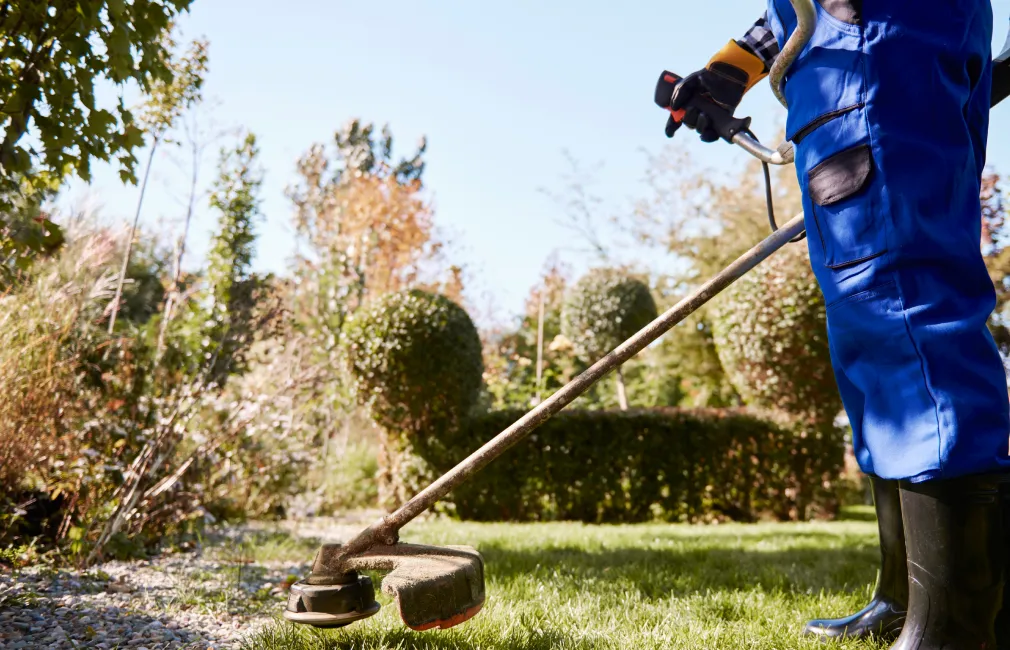
Loganville Lawn Leveling Types

Topdressing Lawn Leveling
Topdressing involves spreading a thin layer of soil or sand over the lawn to correct minor unevenness.
-
Laser Grading
Laser grading uses precision equipment to achieve a perfectly level lawn surface for optimal drainage.
-
Sod Replacement Leveling
This method removes and replaces sod in uneven areas to restore a smooth, even lawn.
-
Soil Regrading
Soil regrading adjusts the slope and contour of your lawn to improve water runoff and eliminate low spots.
-
Power Raking Leveling
Power raking removes excess thatch and helps level minor bumps and dips in the lawn.
-
Fill and Compact Leveling
Filling low spots with soil and compacting ensures a stable, even lawn surface.
-
Aeration and Leveling
Combining aeration with leveling techniques improves soil structure and corrects uneven areas.
Our Lawn Leveling Process
Site Evaluation
Soil Preparation
Leveling Application
Compaction
Final Inspection
Why Choose Loganville Landscape Services

-
Loganville Homeowners Trust Us
-
Expert Lawn Maintenance
-
Reliable Scheduling
-
Competitive Pricing
-
Professional Team
-
Satisfaction Guarantee
-
Personalized Service
Loganville's Piedmont Red Clay Soils and Lawn Leveling Depth Requirements
Loganville sits within Georgia's Piedmont physiographic region, where soils are predominantly classified as Cecil and Appling series — dense, red clay-rich Ultisols with naturally low infiltration rates and a tendency toward surface compaction. According to the USDA Web Soil Survey, these soils typically carry a pH between 5.0 and 6.0 and exhibit moderate to severe shrink-swell behavior, which contributes directly to uneven lawn surfaces over time. Loganville falls within USDA Hardiness Zone 7b, where freeze-thaw cycles during winter months further displace soil and create surface irregularities. Effective lawn leveling in this context requires:
- Topdressing with a sandy loam or screened topsoil blend to improve drainage without sealing the surface
- Limiting fill depth to no more than ½ inch per application to avoid smothering existing turf
- Addressing compaction through core aeration prior to leveling, particularly in high-traffic areas
- Verifying that fill material is free of clay-heavy subsoil, which worsens drainage over time
UGA Cooperative Extension provides soil amendment guidance specific to Georgia Piedmont conditions and recommends soil testing before any significant grading or fill work.
Stormwater Drainage Compliance During Lawn Leveling in Loganville
Lawn leveling that alters surface grades can directly affect stormwater flow patterns, particularly on properties near drainage ditches, detention ponds, or low-lying corridors common throughout Loganville's residential developments. Redirecting runoff onto adjacent properties or toward public infrastructure may conflict with local ordinances and the Clean Water Act. The Loganville Public Works Department oversees stormwater management and municipal infrastructure, and property owners undertaking significant regrading should confirm that proposed grade changes do not impair existing drainage easements or city-maintained stormwater systems. Key compliance considerations include:
- Maintaining positive drainage away from structures at a minimum slope of 2% per standard grading practice
- Avoiding fill placement within drainage easements without prior review
- Ensuring that leveling work does not direct concentrated flow toward neighboring lots or public rights-of-way
- Consulting the Georgia EPD Watershed Protection Branch for guidance on erosion and sediment control during grading activities
Loganville Public Works Department
4303 Ozora Road, Loganville, GA 30052
Phone: (770) 466-1688
Official Website: Loganville Public Works Department
Optimal Timing for Lawn Leveling in Loganville's Warm-Season Turf Calendar
Loganville's warm, humid summers and mild winters support warm-season turf grasses such as Bermudagrass and Zoysiagrass, which are the predominant lawn types throughout Walton County subdivisions. Lawn leveling is most effective when performed during the active growth period of these grasses, typically between late April and early June, when soil temperatures consistently exceed 65°F and turf can recover quickly from disturbance. The National Weather Service Peachtree City forecast office serves this region and provides seasonal temperature and precipitation data useful for scheduling. Practical timing guidance includes:
- Late April through May: Ideal window for topdressing and leveling; Bermudagrass and Zoysia are actively tillering and can fill in disturbed areas within 3–6 weeks
- June through August: Leveling is possible but requires consistent irrigation to prevent heat stress on exposed soil and turf crowns
- September through October: Acceptable for minor corrections, but recovery slows as turf approaches dormancy
- November through March: Avoid significant leveling; dormant turf cannot recover, and wet clay soils are prone to compaction under equipment
Avoid scheduling leveling work immediately before or after heavy rainfall events, as saturated Piedmont clay soils are highly susceptible to rutting and structural damage from foot traffic and equipment.
Loganville Planning and Development Review for Grading and Site Alteration Projects
While routine lawn leveling on established residential lots typically does not require a formal permit, more substantial grading projects — including those involving significant soil import, drainage rerouting, or work near property boundaries — may fall under the review authority of the Loganville Planning & Development Department. The city's Code of Ordinances contains provisions governing land disturbance, property maintenance, and development standards that may apply depending on project scope. Property owners and contractors should evaluate whether their project triggers any of the following review thresholds:
- Land disturbance activities exceeding one acre may require a state-issued Land Disturbance Permit under Georgia EPD rules
- Projects involving fill import from off-site sources may require documentation of material composition and origin
- Grading within or adjacent to recorded drainage easements requires coordination with Public Works prior to commencement
- Work near wetlands, streams, or floodplain-adjacent areas may require additional environmental review
Loganville Planning & Development Department
4303 Ozora Road, Loganville, GA 30052
Phone: (770) 466-1688
Official Website: Loganville Planning & Development
Protecting Loganville's Local Drainage Corridors During Lawn Leveling Work
Loganville's residential landscape includes numerous drainage corridors, detention features, and low-lying areas that connect to broader watershed systems within Walton County. Lawn leveling activities that introduce loose soil, fill material, or disturbed turf near these features can contribute to sediment loading in local waterways, which is regulated under the EPA NPDES Program and Georgia's stormwater permitting framework. The Loganville Water Quality Division monitors drinking water and utility compliance, and residents are encouraged to implement basic erosion controls during any grading work. Recommended protective measures include:
- Installing silt fencing or straw wattles downslope of any disturbed area before work begins
- Limiting soil disturbance to areas that can be stabilized within 14 days
- Avoiding leveling work within 25 feet of any drainage ditch, pond edge, or defined stream channel
- Seeding or sodding disturbed areas promptly after leveling to establish vegetative cover before the next rain event
- Reviewing Georgia Water Quality Standards for applicable sediment and turbidity thresholds
Loganville Water Quality Division
4303 Ozora Road, Loganville, GA 30052
Phone: (770) 466-1688
Official Website: Loganville Water Quality
What Neighborhoods Do We Serve Throughout Loganville, GA?
- Alcovy Crossing: A newer residential subdivision with fill soils common to recent Walton County development; shallow topsoil over compacted subgrade creates uneven settling and low spots that benefit from annual topdressing and leveling.
- Loganville Historic District: Older lots near the city center with mature tree canopy and established turf; root activity from large hardwoods contributes to surface irregularities and requires careful hand-leveling to avoid root damage.
- Rosebud Road Corridor: A mixed residential area with varying lot grades and proximity to drainage ditches; stormwater flow management is a primary concern during any leveling work in this corridor.
- Killian Hill Road Area: Established neighborhoods with moderate slopes and red clay subsoil; compaction from foot traffic and mowing equipment is common, and core aeration prior to leveling is strongly recommended.
- Ozora Road Subdivisions: Newer planned communities with HOA-maintained common areas and consistent turf standards; leveling work must account for subdivision drainage easements and HOA grading guidelines.
- Bay Creek Vicinity: Properties near Bay Creek and its tributaries require particular attention to sediment control and buffer maintenance during any grading or leveling activity to protect local water quality.