
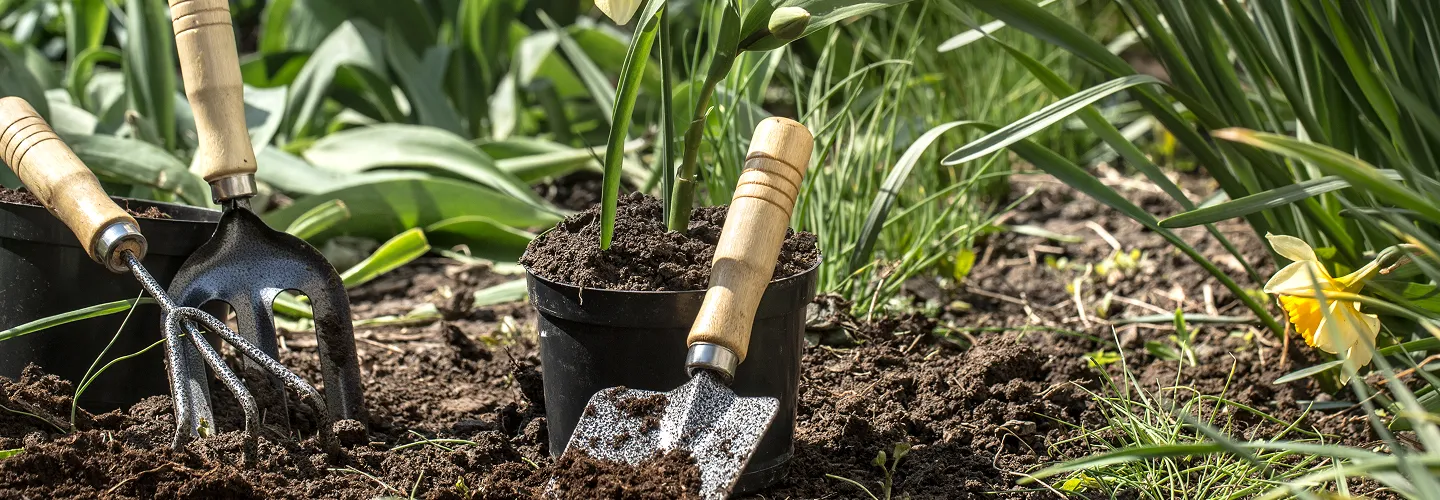
Loganville Flower Planting Services
Choose our flower planting services for vibrant, healthy blooms that enhance your home's curb appeal and create a welcoming outdoor space you'll love all season long.
Get a Free QuoteOur Loganville Landscaping & Yard Care Services
When to Schedule Flower Planting in Loganville, Georgia – Seasonal Guide
Flower planting in Loganville, Georgia, is best scheduled with careful attention to our region’s unique climate and landscape. The ideal planting windows are typically early spring, after the last frost date in late March, and early fall, when soil temperatures remain warm but the risk of extreme heat has diminished. Neighborhoods near Bay Creek Park and the Grayson Highway corridor often experience microclimates due to varying tree coverage and elevation, so it’s important to consider your specific location when planning.
Local environmental factors such as humidity, periodic droughts, and the clay-heavy soils common in Loganville can all impact flower health and longevity. For example, areas around Tribble Mill Park may have more shade and moisture retention, while properties closer to downtown Loganville might face higher sun exposure and faster soil drying. Always check municipal guidelines and resources like the Sudbury town website for updates on water restrictions or planting recommendations.
Local Factors to Consider for Flower Planting in Loganville
- Proximity to mature trees and resulting shade coverage
- Soil composition (clay, sand, or loam) and drainage
- Average precipitation and drought risk during spring and fall
- Frost dates and temperature fluctuations
- Terrain slope and potential for water runoff
- Municipal restrictions on watering or planting
Benefits of Flower Planting in Loganville
Expert Local Knowledge
Customized Landscape Designs
Seasonal Plant Selection
Enhanced Curb Appeal
Professional Planting Techniques
Reliable Maintenance Services
Loganville Flower Planting Types

Annual Flower Planting
Seasonal color with vibrant annual blooms for your landscape.
-
Perennial Flower Beds
Long-lasting beauty with hardy perennials that return each year.
-
Native Flower Gardens
Eco-friendly gardens featuring flowers native to the Loganville area.
-
Pollinator-Friendly Planting
Attract bees, butterflies, and hummingbirds with pollinator-friendly flowers.
-
Shade Garden Planting
Specialized flower beds designed for low-light and shaded areas.
-
Container Flower Arrangements
Versatile and movable flower displays in decorative containers.
-
Seasonal Bulb Planting
Colorful spring and summer displays with expertly planted flower bulbs.
Our Flower Planting Process
Site Evaluation
Soil Preparation
Plant Selection
Careful Planting
Watering and Mulching
Why Choose Loganville Landscape Services
-
Loganville Homeowners Trust Us
-
Expert Lawn Maintenance
-
Reliable Scheduling
-
Competitive Pricing
-
Professional Team
-
Satisfaction Guarantee
-
Personalized Service
Loganville's Piedmont Red Clay Soils and Bed Preparation for Flower Planting
Loganville sits within Georgia's Piedmont region, where soils are predominantly Cecil and Madison series — dense, red clay-based Ultisols with naturally acidic pH levels typically ranging from 5.0 to 6.0. According to the USDA Web Soil Survey, these soils exhibit moderate to poor drainage in compacted conditions, which directly affects root establishment for flowering plants. Before planting, property owners should:
- Conduct a soil pH test through UGA Cooperative Extension and amend with lime if pH falls below 5.5
- Incorporate 3–4 inches of compost or aged organic matter to improve drainage and aeration
- Avoid tilling during wet periods, which worsens compaction in clay-heavy beds
- Consider raised bed construction in low-lying areas where standing water persists after rainfall
Loganville falls within USDA Hardiness Zone 7b, meaning most warm-season annuals and perennials are well-suited to the local climate. Soil amendment prior to planting is the single most impactful step for long-term flower bed performance in this region.
Optimal Flower Planting Windows for Loganville's Piedmont Growing Season
Loganville's position in Walton County places it within a climate zone characterized by hot, humid summers, mild winters, and an average last frost date around mid-March. The National Weather Service office serving the Atlanta metro area provides seasonal frost advisories relevant to Loganville residents. Timing flower planting correctly around these windows is essential for establishment success:
- Cool-season annuals (pansies, snapdragons, dianthus): plant October through early November for fall color; replant late February through March for spring display
- Warm-season annuals (zinnias, marigolds, vinca, impatiens): plant after the last frost risk passes, typically mid-March through April, when soil temperatures reach 60°F or above
- Hardy perennials (coneflowers, black-eyed Susans, daylilies): establish best when planted in early spring (March–April) or early fall (September–October) to allow root development before temperature extremes
- Summer heat tolerance: Loganville's July average highs exceed 90°F, making heat-tolerant species critical for beds receiving full afternoon sun
Planting outside these windows significantly increases transplant stress and mortality rates in Loganville's climate.
Protecting Loganville Stormwater Infrastructure During Flower Bed Installation
Loganville's stormwater management system, overseen by the Loganville Public Works Department, includes drainage inlets, detention features, and roadside ditches that can be compromised by improper planting practices. Disturbing soil near drainage corridors or allowing fertilizer and mulch to wash into storm inlets creates compliance concerns under the Clean Water Act and local stormwater ordinances. Property owners and contractors should observe the following practices:
- Maintain a minimum 10-foot buffer between active planting and storm drain inlets when applying granular fertilizers or soil amendments
- Avoid bare soil exposure for more than 24–48 hours during bed installation; use temporary erosion control fabric or mulch immediately after planting
- Do not dispose of excess soil, plant material, or mulch in roadside ditches or near drainage structures
- Confirm whether your property is adjacent to any mapped drainage easements by reviewing the Loganville Code of Ordinances or contacting Public Works directly
Loganville Public Works Department
4303 Ozora Road, Loganville, GA 30052
Official Website: Loganville Public Works Department
Selecting Heat- and Humidity-Tolerant Flowering Plants for Loganville Landscapes
Loganville's summer climate — characterized by sustained heat above 90°F and high relative humidity from June through September — demands careful plant selection to ensure bed longevity without excessive irrigation or chemical intervention. UGA Cooperative Extension recommends prioritizing species with demonstrated heat tolerance and disease resistance for Georgia Piedmont landscapes. Recommended options for Loganville beds include:
- Full sun beds: Vinca (Catharanthus roseus), Lantana, Portulaca, Gaillardia, and Rudbeckia perform reliably through Loganville's peak summer heat
- Partial shade beds: Impatiens (downy mildew-resistant varieties), Caladiums, Begonias, and Torenia tolerate the filtered light common under Loganville's mature hardwood canopy
- Native and adapted perennials: Purple coneflower (Echinacea purpurea), Salvia, and native Phlox support local pollinators and require minimal supplemental irrigation once established
- Invasive species avoidance: Confirm that selected species are not listed on the UGA Extension Invasive Species registry before planting near wooded corridors or stream edges
Selecting regionally adapted species reduces long-term maintenance demands and supports Loganville's urban green infrastructure.
Loganville Planning and Development Review for Landscaping in Regulated Zones
Certain flower planting and bed installation projects in Loganville may require coordination with the Loganville Planning & Development Department, particularly when work occurs within zoning setbacks, along public rights-of-way, or in areas subject to development review. While routine residential flower planting typically does not require a formal permit, the following situations may trigger review or approval:
- Installation of raised planting structures, retaining walls, or landscape edging exceeding 12–18 inches in height within setback areas
- Planting within or adjacent to utility easements, which may restrict root-disturbing excavation
- Commercial or multi-family properties where landscaping is subject to site plan compliance under local zoning ordinances
- Any ground disturbance near mapped wetlands, floodplains, or stream buffers, which may also involve Georgia EPD Watershed Protection Branch review
Property owners undertaking larger-scale bed installations or landscape renovations should verify applicable requirements through the Loganville Permits portal before beginning work.
Loganville Planning & Development Department
4303 Ozora Road, Loganville, GA 30052
Official Website: Loganville Planning & Development
Loganville Permits
4303 Ozora Road, Loganville, GA 30052
Official Website: Loganville Permits
What Neighborhoods Do We Serve Throughout Loganville, GA?
- Loganville Historic Core: Older residential lots near downtown Loganville feature established tree canopy and compacted clay soils that benefit from deep bed preparation and shade-tolerant flowering plant selections.
- Ozora Road Corridor: Properties along this primary corridor include a mix of residential and commercial frontages where bed drainage and stormwater inlet proximity require careful fertilizer and mulch management.
- Rosebud Road Subdivisions: Newer subdivisions in this area often feature disturbed fill soils with inconsistent drainage, requiring soil amendment and raised bed techniques for reliable flower establishment.
- Loganville Parkway Area: Mixed residential development with varying sun exposure and HOA-maintained common areas where plant selection must balance aesthetics with heat tolerance.
- Bay Creek Vicinity: Properties near Bay Creek and its tributaries require particular attention to buffer zones and runoff prevention during bed installation and fertilizer application.
- Tate Road Neighborhoods: Established residential areas with mature hardwood canopy where partial-shade flowering species such as Caladiums and Begonias are well-suited to existing light conditions.
- Hwy 78 / Grayson-Loganville Road Corridor: Transitional residential and commercial properties with larger lot sizes where warm-season native perennials and pollinator-friendly plantings are increasingly common.